
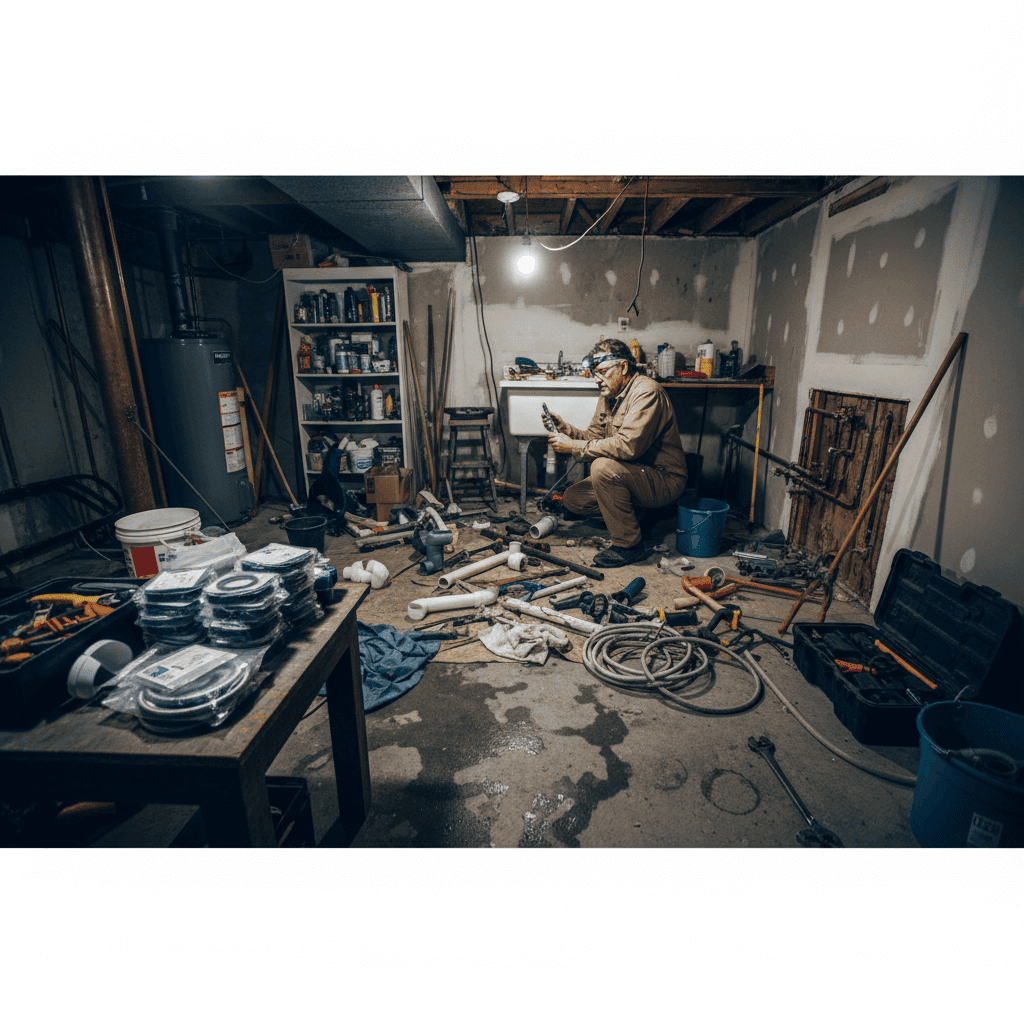
Every homeowner runs into plumbing issues sooner or later. Constant plumbing repairs throw off daily life, risk damaging the home, and send water bills through the roof if ignored. Catching problems early and doing a few quick fixes can keep a tiny drip from turning into a pricey disaster. Learning these tricks helps anyone save money and avoid headaches down the line. Keep reading to find out how to spot trouble before it hits hard.
This article walks through the typical repairs that come up in houses of all ages. You will get clear examples of what to look for, safe shortterm fixes you can try, and signs that call for a licensed plumber. If you want a quick reference to the most common plumbing repairs in a neighborhood, that resource lists local trends and typical costs.
Why tracking frequent home plumbing repairs matters
Plumbing issues are rarely isolated. A persistent drip at one fixture can indicate higher water pressure, a worn valve, or corrosion that affects other parts of the system. Tracking repairs helps you spot patterns, predict the next likely failure, and manage household spending. For example multiple clogs in the kitchen over several months might point to a partial break in the main sewer line rather than bad habits at the sink.
Another practical reason to pay attention is insurance and resale value. Repair records show buyers that a system has been maintained. If you document each repair with dates, parts used, and receipts, it becomes much easier to compare estimates and make informed decisions.
Leaky faucets and dripping fixtures
Leaking faucets rank near the top of frequent home plumbing repairs because they are obvious and continuous. A single dripping faucet wastes gallons of water per month. The cause is often a worn washer, rubber seat, or cartridge depending on the faucet design. Replacing these parts is inexpensive when done early.
- Tip for diagnosis turn off the supply valves under the sink and see if dripping stops
- Tip for a simple fix replace the O ring or cartridge following the manufacturer model number
- When to call a pro if the leak persists after replacing basic parts or if the fixture shows signs of corrosion
Clogged drains and slow sinks
Drain blockages are another frequent home plumbing repairs category. Hair, grease, and mineral buildup combine over time to reduce flow. Kitchens often suffer from grease and food particles while bathroom drains collect hair and soap scum. The longer a drain runs slow the more likely the clog has moved deeper into the line.
Bathroom drains
For tubs and showers the first steps are mechanical removal and enzyme cleaners that break down organic buildup. A hair catcher installed at the drain can lower the chance of repeat clogs. If water pools after you clear hair from the stopper there may be an issue with the trap or venting.
Kitchen sinks
Kitchen clogs often respond to a combination of boiling water and a mechanical snake. Avoid harsh chemical drain cleaners for older pipes because the chemicals can damage certain materials. If you smell sewage or hear gurgling from other drains after clearing a clog, the problem may be in the main sewer and professional inspection is advised.
Running toilets and tank problems
Running toilets are a frequent home plumbing repairs item that affects both water waste and utility bills. The typical causes are a worn flapper, a misadjusted float, or mineral buildup that prevents seals from seating properly. Replacing the flapper and adjusting the float are beginner friendly repairs when the tank components are accessible.
- Tip replace old rubber flappers every few years to avoid sudden failures
- Tip if the fill valve fills slowly check for a debris screen on the water supply line
- When to call a pro persistent running despite new parts or leaks at the base of the toilet
Water heater issues and routine maintenance
Water heaters demand regular attention among frequent home plumbing repairs because they affect daily comfort. Sediment buildup in the tank reduces efficiency and can lead to premature component failure. A common homeowner maintenance step is flushing the tank annually to remove sediment and check the anode rod that protects the interior from corrosion.
Signs your water heater needs attention
Watch for rusty colored water, strange noises during heating, and fluctuating hot supply. If your hot water runs out faster than normal or the pilot light on a gas model keeps going out there may be a failing heating element or gas valve. Electric models can have failed elements that are inexpensive to replace when identified early.
Safe checks to perform
- Test the temperature and pressure relief valve by lifting the lever slightly and letting it snap back
- Check the tank area for moisture or corrosion that suggests a slow leak
- Adjust the thermostat to 120 degrees Fahrenheit for safety and energy savings
Pipe leaks corrosion and joint failures
Pipes can leak where fittings meet or through corroded sections. Older homes with galvanized steel pipes face different issues than homes with modern plastic or copper piping. Corrosion can cause pinhole leaks that are hard to spot until they stain drywall or create mold. Because leaks under floors and behind walls often create secondary damage the cost rises quickly if the leak is left unchecked.
Early detection is critical. Signs include higher than normal water bills, damp spots on ceilings or walls, and unexplained sound of water running when all fixtures are off. Repair approaches vary from localized patching to replacing entire sections depending on material and age.
Preventive checks and simple homeowner repairs
Routine checks reduce the frequency and severity of common problems. Spend time each season on a quick checklist to catch issues while they are small and affordable to fix. That practice fits squarely within the list of frequent home plumbing repairs because small, regular actions prevent large incidents.
- Inspect under sinks for moisture and loose fittings
- Test shutoff valves for functionality by turning them on and off yearly
- Clear gutters and roof drains to prevent water entry that stresses interior plumbing
- Install strainers in shower and sink drains to trap hair and debris
- Monitor water pressure with an inexpensive gauge mounted to an outdoor spigot
Several homeowner fixes are straightforward. Replacing faucet cartridges, flappers, and shutoff valves are tasks many people can do with basic tools and online model specific instructions. When work involves cutting into supply lines or soldering copper always weigh the cost and risk against hiring a licensed professional.
When to move from DIY to professional help
There are clear signals that a professional plumber offers better value than continued DIY attempts. These include repeated failures after replacement of parts, leaks in ceilings or floors, sewer backups, persistent low pressure across multiple fixtures, and any work that requires city permits or changes to the main water line. Professionals bring tools such as video inspection cameras and pipe locators that identify hidden problems quickly and reduce guesswork.
Also consider warranty and liability. Work done by a licensed plumber often comes with a workmanship warranty and may be required by your home insurance in the event of a larger claim. For older systems a professional assessment reveals whether staged replacement makes sense rather than repairing the same component repeatedly.
Cost expectations and budgeting for repairs
Knowing typical ranges for repairs helps plan a maintenance reserve. Small fixes like a new flapper or faucet cartridge can cost under one hundred dollars including parts. Drain snaking and basic water heater maintenance usually sit in the low hundreds. Major interventions such as sewer line repair or full water heater replacement reach into the thousands depending on access and materials.
- Tip set aside a small emergency fund dedicated to home systems rather than general savings
- Tip get two to three estimates for major jobs and ask for itemized bids
- Tip keep a list of trusted local plumbers and note their response times and warranties
Budgeting for plumbing reduces the stress when a failure happens. If a budget prevents immediate replacement opt for temporary safe measures that isolate the issue instead of repeatedly patching the same spot.
Conclusion summary and next steps
Frequent Home Plumbing Repairs cover a range of issues from dripping faucets to sewer line problems. Knowing the common causes and simple checks lowers the chance of expensive surprises. Small regular maintenance like clearing strainers, testing shutoff valves, and replacing rubber components helps keep systems working longer. When problems go beyond simple parts replacement calling a licensed plumber quickly reduces secondary damage and total cost.
If you keep a record of repairs and set aside funds for typical fixes you will handle most issues with confidence. Begin with a seasonal walk through your home to inspect visible pipes and fixtures and note anything unusual. For persistent problems or hidden leaks choose a professional who provides written estimates and warranties. Take action now and protect both comfort and property value by scheduling inspections or repairs as needed. A timely call to a local service professional can prevent bigger issues tomorrow and save on repair bills over time.


