
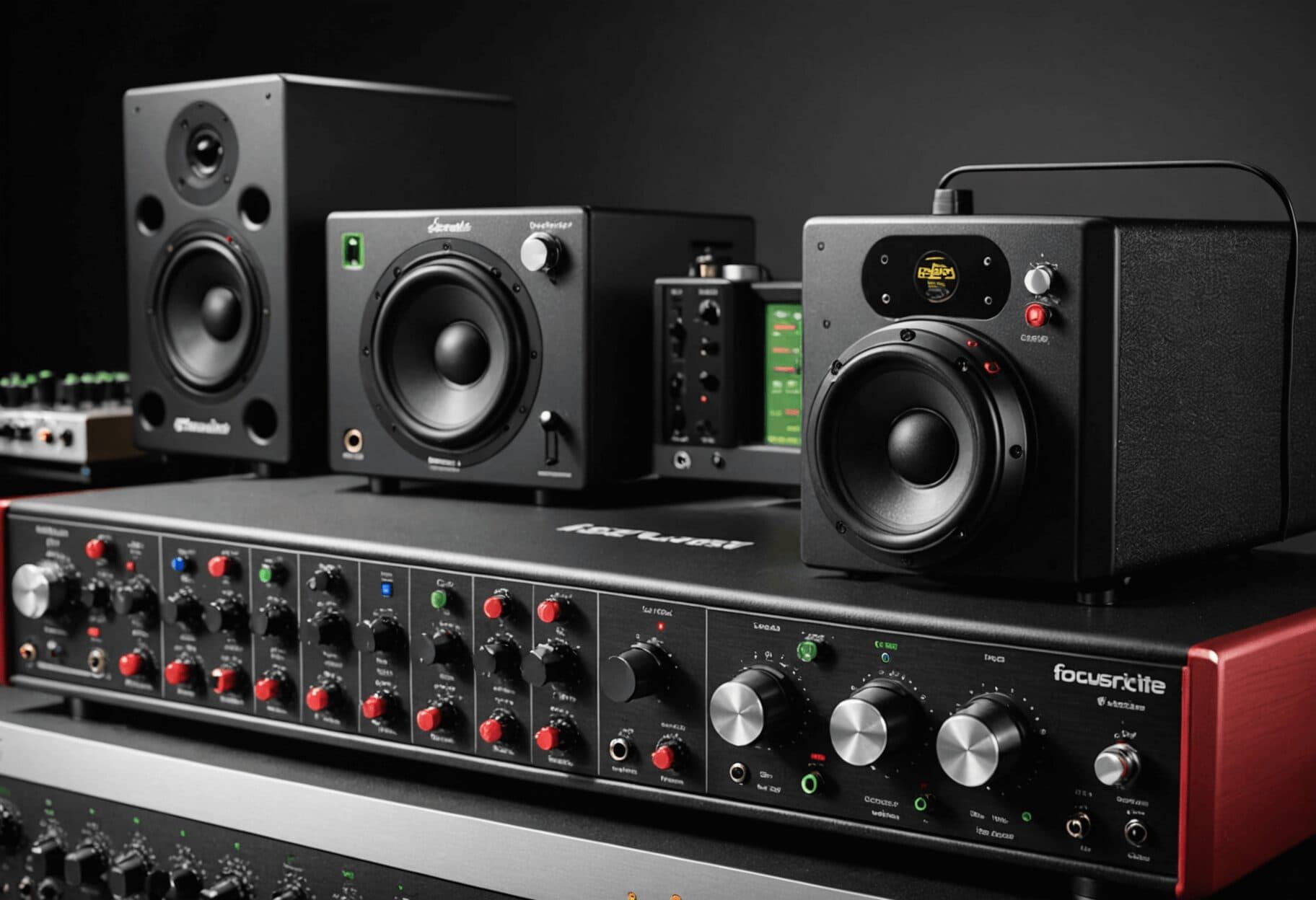
Getting studio-quality sound at home or work depends on picking the right audio interface. Focusrite, famous for high-quality sound gear, offers options for all skill levels and budgets. Whether creating music, producing tracks, or recording podcasts, understanding what each Focusrite model brings helps find the best fit. This choice makes sound clearer and more powerful, like jumping from a bike to a race car. See how sound can jump from ordinary to jaw-dropping. Keep going to unlock the secret that will change your audio game.
With so many options available, it can be overwhelming to compare models effectively. Each Focusrite interface brings unique advantages, from superior preamps to versatile connectivity. This guide will walk you through key considerations and compare popular Focusrite models to help you find the perfect fit for your studio setup and audio demands.
Understanding the Importance of Studio-Quality Sound in Your Setup
Achieving studio-quality sound revolves around capturing audio with clarity, depth, and accuracy. This involves high-quality components, minimal noise, and reliable performance. The right audio interface acts as the bridge between your instruments or microphones and your computer, translating analog signals into digital data with precision.
For creatives, having top-tier sound ensures recordings are true to life, mixes are clear, and final productions sound professional. Investing in a good Focusrite model means reducing unwanted noise, improving signal strength, and gaining access to features that facilitate streamlined recording and mixing processes.
Key Factors to Consider When Comparing Focusrite Models
Number and Type of Inputs and Outputs
- Basic models typically feature two combination inputs suitable for microphones or instruments.
- More advanced interfaces may offer multiple inputs and outputs, perfect for recording bands or complex setups.
- Consider future needs; if you expect to expand, choose a model with additional I/O options.
Preamps and Signal Quality
- Focusrite is renowned for high-quality preamps offering transparent sound with minimal noise.
- Some models include Air mode or similar features that emulate classic analog preamp sounds, adding warmth and character.
- Check reviews and specifications to ensure the preamps meet your standards for studio-grade recording.
Popular Focusrite Models for Studio Quality Sound
Focusrite Scarlett Series
The Scarlett series remains a favorite among home studio builders for its affordability and solid performance. These interfaces typically feature 2 to 8 inputs, high-quality preamps, and user-friendly interfaces. The latest models boast improved conversion rates and lower latency, making them well-suited for professional-sounding recordings at a beginner or intermediate level.
Focusrite Clarett Series
Building on the success of the Scarlett line, the Clarett series offers enhanced audio fidelity for those demanding more precise sound. These interfaces provide lower latency, superior dynamic range, and more detailed preamps. They are ideal for professional projects requiring high-resolution audio recording and mixing.
Focusrite Red Series
The Red series represents Focusrite’s flagship hardware, designed for the most demanding studio environments. With the highest quality components and extensive I/O options, these interfaces support large recording setups, complex routing, and ensure studio-quality output. They are perfect for large projects, commercial studios, and high-end production work.
Understanding the Differences in Audio Performance
The main differences between models often boil down to their audio conversion quality and preamp design. Higher-end models tend to provide greater dynamic range, lower total harmonic distortion, and more accurate sound reproduction.
For instance, the Clarett series features longer analog signal paths and high-grade ADC/DAC converters, delivering cleaner, more detailed recordings. In comparison, the Scarlett series still offers excellent quality but might fall short in high-resolution applications or professional mixing environments.
Compatibility and Connectivity Considerations
- Check whether the interface supports your operating system and DAW software.
- Consider the types of connections you need, such as USB-C, Thunderbolt, or USB-A.
- Some models include MIDI I/O, making them versatile for connecting keyboards and control surfaces.
- Portability might also be a factor; smaller interfaces are easier to transport for live recordings or mobile studios.
Actionable Tips for Choosing the Right Focusrite Model
- Assess your recording needs: Are you recording solo vocals, full bands, or producing beats? Match your requirements with the number of inputs and outputs.
- Prioritize sound quality: For professional-grade projects, investing in a Clarett or Red series may be worthwhile.
- Budget wisely: The Scarlett series provides excellent value for beginners, while high-end models are designed for advanced users with larger budgets.
- Research user reviews and expert opinions: They often reveal real-world performance and reliability.
- Consider future expansion: Select an interface with extra inputs or compatibility for additional equipment down the line.
Expert Insights and Practical Advice
Many audio engineers recommend starting with a Focusrite interface that offers room to grow. For example, a Focusrite audio interfaces model with four or six inputs can handle more complex projects without immediate upgrade necessities.
Additionally, pairing your interface with quality microphones, headphones, and monitors significantly impacts the final sound. Proper placement, acoustic treatment, and understanding gain staging are just as vital as selecting the right hardware.
Final Thoughts on Comparing Focusrite Models for Studio Quality Sound
Choosing the optimal Focusrite model depends on your specific recording goals, budget, and future plans. For newcomers, the Scarlett series offers an accessible entry point that still delivers impressive sound quality. As your skills and project complexity grow, stepping up to the Clarett series supplies higher resolution and refined performance suited for professional work.
For those seeking top-tier studio performance, the Red series provides unmatched build quality and audio fidelity, ensuring that every nuance of your recordings is captured with clarity. Remember, investing in quality hardware yields better results; audio interfaces form the backbone of your studio environment, so selecting the right one is essential.
Take your time to evaluate the features against your needs and explore user feedback before making your decision. With the right Focusrite model in place, you’ll be well on your way to creating recordings that sound polished, detailed, and ready for any professional context.