
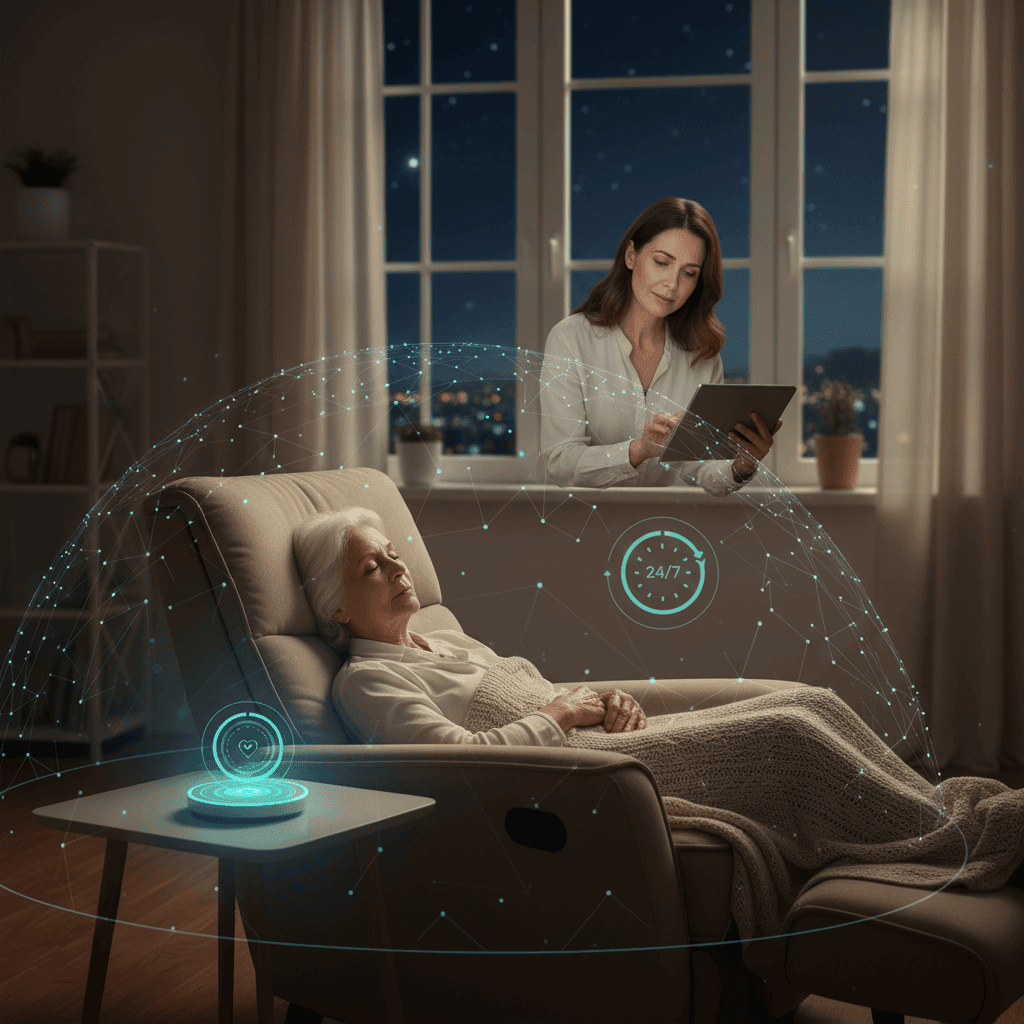
Caring for elderly relatives is a top priority for many of us. We want them to live independently and safely for as long as possible. However, the worries about falls, medical emergencies, or simply unexpected situations can weigh heavily on our minds. I have seen firsthand how these concerns can impact families.
Modern technology offers a powerful solution to this challenge. It provides a constant layer of protection and peace of mind. That is where the concept of 24/7 monitoring comes into play.
This kind of monitoring uses various tools and systems to keep a watchful eye on our loved ones without intruding on their daily lives. It offers immediate alerts and support when needed, making a real difference in their safety and our reassurance.
Understanding the Basics of 24/7 Monitoring for Seniors
When I talk about 24/7 monitoring, I am referring to a system that continuously observes an elderly person’s well-being and home environment. It is not about constant surveillance like a spy movie. Instead, it uses smart technology to detect unusual patterns or emergencies.
These systems often involve a mix of devices. They can include medical alert buttons, motion sensors, and even smart home devices. The goal is to provide a safety net that is always active, ready to respond to any situation that might arise. This constant vigilance allows seniors to maintain their independence with confidence.
I believe that knowing the components of these systems helps us understand their effectiveness. They are designed to be user-friendly for seniors and provide critical information to caregivers or emergency services when an alert is triggered. This blend of passive monitoring and active response capabilities is what makes them so valuable.
Key Technologies Involved
Different technologies work together to create a comprehensive monitoring system. For instance, personal emergency response systems are very common. These often include a wearable device, such as a pendant or watch, with a button the senior can press in an emergency. This immediately connects them to a monitoring center.
Beyond simple buttons, we see smart sensors placed around the home. These sensors can detect if a senior falls, if a door is left open, or if there is smoke or carbon monoxide. They learn the senior’s normal routines. If a major deviation occurs, like no movement for an extended period, an alert can be sent. This means help can be dispatched even if the senior cannot press a button.
How Monitoring Centers Provide Support
The core of any 24/7 monitoring system is the monitoring center. This is where trained professionals receive alerts from the various devices. When an alarm goes off, operators at these centers quickly assess the situation. They communicate with the senior through the system’s speaker or contact their emergency contacts.
If an immediate threat is present, like a fall or a fire, they will dispatch emergency services right away. This rapid response is incredibly important because it can significantly reduce the time it takes for help to arrive. This can be critical in situations where every second counts. The monitoring center acts as a central hub of support, always ready to assist.
Enhancing Safety and Preventing Accidents
One of the biggest worries for families with elderly relatives is the risk of accidents, especially falls. Falls are a leading cause of injury among older adults. They can lead to serious health complications and a loss of independence. I know this fear is very real for many people.
24/7 monitoring systems specifically address these concerns by offering proactive and reactive safety measures. They aim to prevent accidents where possible and ensure a quick response when they do happen. This significantly boosts the overall safety profile for seniors living alone or with minimal supervision.
Fall Detection and Rapid Response
Modern fall detection technology is impressive. Devices use accelerometers and gyroscopes to recognize the sudden impact and change in orientation that occurs during a fall. Some systems are designed to detect a fall automatically. This means the senior does not even need to press a button for help to be summoned.
Once a fall is detected, an alert goes straight to the monitoring center. The operators then try to establish contact with the senior. If they cannot get a response or if the situation seems critical, emergency medical services are contacted immediately. This swift action can be life-saving, especially if the senior is injured or unconscious and unable to call for help themselves. Rapid response times are truly essential in these scenarios.
Protecting Against Environmental Hazards
Beyond personal emergencies, these systems also protect against dangers in the home environment. Smart smoke detectors and carbon monoxide sensors connect directly to the monitoring center. If they detect a threat, the center receives an instant alert.
Operators can then verify the alarm and contact the fire department or other necessary emergency services. This is much faster than waiting for someone to call 911, especially if the senior is asleep or incapacitated. We also see flood sensors and temperature monitors that can prevent property damage or health risks from extreme temperatures. These environmental safeguards add another layer of security.
Promoting Independence and Peace of Mind
A common misconception is that monitoring systems take away a senior’s independence. I find the opposite is true. By providing a reliable safety net, these systems actually empower elderly relatives to live more independently. They give seniors the confidence to stay in their own homes longer, knowing help is always available.
For family members, this technology offers immense peace of mind. It removes much of the constant worry about what might happen when they are not around. This allows families to focus on quality time together, rather than being consumed by anxiety.
Empowering Seniors to Live at Home
Many seniors strongly prefer to stay in their familiar surroundings. They want to avoid moving to assisted living facilities. 24/7 monitoring makes this a more feasible and safer option. They know that if they have a medical issue or a fall, someone will know right away.
This reassurance can reduce feelings of isolation and fear. It lets them engage in their daily routines without a constant shadow of anxiety. It is about enabling their choices and supporting their desire for autonomy.
Reducing Family Caregiver Stress
Family caregivers often experience significant stress. They juggle their own responsibilities with the demands of looking after an aging parent or relative. The worry about a loved one’s safety can be overwhelming.
A comprehensive monitoring system alleviates a great deal of this burden. Caregivers know that even when they are at work, running errands, or simply sleeping, there is a professional team watching over their family member. This reduction in stress is a huge benefit for everyone involved, allowing caregivers to maintain their own well-being.
Addressing Health and Wellness Proactively
24/7 monitoring extends beyond just emergency response. It can also play a key role in proactive health and wellness management for elderly relatives. I find this aspect particularly powerful. The insights gathered from these systems can help families and healthcare providers better understand a senior’s daily patterns and potential health changes.
By observing subtle shifts in behavior or vital signs, we can often catch issues early before they become critical. This proactive approach can lead to better health outcomes and a higher quality of life for our loved ones.
Monitoring Daily Routines and Anomalies
Advanced monitoring systems can learn a senior’s typical daily patterns. This includes when they wake up, move around the house, and go to bed. These systems establish a baseline for normal activity. If there is a significant change in this routine, the system can flag it as an anomaly.
For example, if a senior who usually wakes early stays in bed much later than usual, an alert can be sent. This might indicate a fall, illness, or other issue that needs attention. It is a subtle way to monitor well-being without being intrusive. This data can be invaluable for understanding overall health trends.
Integrating with Health Management
Some monitoring systems can integrate with other health management tools. This includes medication reminders that ensure seniors take their prescriptions on time. They might also link to devices that track vital signs such as heart rate or blood pressure.
This integrated approach allows for a holistic view of a senior’s health. The information collected can be shared with doctors or caregivers, helping them make more informed decisions about care. It moves beyond just reacting to emergencies and into preventing them through better health management.
Choosing the Right 24/7 Monitoring System
Selecting the ideal 24/7 monitoring system for an elderly relative requires careful consideration. I have learned that one size definitely does not fit all. Different seniors have varying needs, living situations, and comfort levels with technology. The right system will blend seamlessly into their lives while providing maximum benefit.
It is important to evaluate the features, reliability, and cost of various options. In my experience, a thorough assessment of your loved one’s specific circumstances will guide you to the best choice. This ensures the system genuinely enhances their safety and independence.
Assessing Individual Needs
Begin by thinking about your relative’s specific situation. Are they prone to falls? Do they have a medical condition that requires frequent monitoring? Do they live alone or with a caregiver? How comfortable are they with wearing devices or interacting with technology?
Consider their mobility, cognitive abilities, and any existing health concerns. A senior with early-stage dementia might benefit from GPS tracking or door sensors, for example. Someone with good mobility but a risk of falls might only need a simple medical alert button. I always recommend making a list of their unique requirements.
Comparing Features and Providers
Once you understand the needs, you can explore different providers and their offerings. Look at features like automatic fall detection, two-way communication, GPS capabilities, and environmental sensors. Research the reputation of the monitoring center, including their response times and certification.
Compare monthly fees, equipment costs, and contract terms. Read reviews and ask for recommendations. Many companies offer flexible plans, and it is worth investing time to find the one that offers the best blend of services and value. An informed decision makes all the difference for effective 24/7 senior monitoring.
Integrating Monitoring into a Connected Home
The concept of a connected home is rapidly evolving, and 24/7 monitoring for elderly relatives fits perfectly into this future. I see a world where smart devices work together seamlessly to create a safer, more comfortable living environment for everyone, especially seniors. This integration moves beyond standalone alert systems to create a truly intelligent and responsive home.
By connecting monitoring devices with other smart home technology, we can build a comprehensive support system. This means lighting that turns on automatically when a senior gets out of bed at night. It also means doors that lock themselves, and thermostats that adjust for optimal comfort. This creates a living space that is not only monitored but actively adaptive to their needs.
Smart Home Synergy for Elder Care
Imagine motion sensors that not only detect falls but also trigger smart lighting to illuminate hallways at night, reducing the risk of a fall in the first place. Smart door locks can alert caregivers if a senior with memory issues wanders out. Voice-activated assistants can become a senior’s direct line to help, allowing them to verbally request assistance if they cannot reach a button.
These integrations create a more holistic safety net. They turn a regular home into a proactive assistant for an elderly resident. The synergy between these devices offers convenience and critical safety functions that improve daily life significantly.
Future Trends in Senior Monitoring Technology
The field of senior monitoring is always advancing. I anticipate seeing even more sophisticated AI and machine learning capabilities. These could predict potential health issues based on subtle changes in routine or biometric data. Wearable devices will become smaller, more comfortable, and offer a wider range of health monitoring features.
Telehealth integration will also become more seamless. This allows for remote consultations and even virtual physical therapy sessions directly from home. The future promises monitoring systems that are not just reactive but truly predictive and preventive, offering unparalleled support for our aging population. It is an exciting time for innovation in elder care technology.
Conclusion
Securing our elderly relatives with 24/7 monitoring is a compassionate and practical step in modern care. I have seen how these systems empower seniors to live independently and how they provide peace of mind to countless families. From immediate fall detection to proactive health insights, the benefits are clear and profound. We are talking about a safety net that is always active, ready to offer assistance when it matters most. Choosing the right system means carefully assessing individual needs and exploring the various technologies available, from simple alert buttons to integrated smart home solutions. These advancements are transforming elder care, creating safer and more comfortable living environments. I encourage you to explore these options and consider how a 24/7 monitoring system could benefit your elderly loved ones. It is an investment in their safety, independence, and your own peace of mind.


